✨ This is a sample legacy — a demonstration of what your eTernal site can look like. Create yours free →
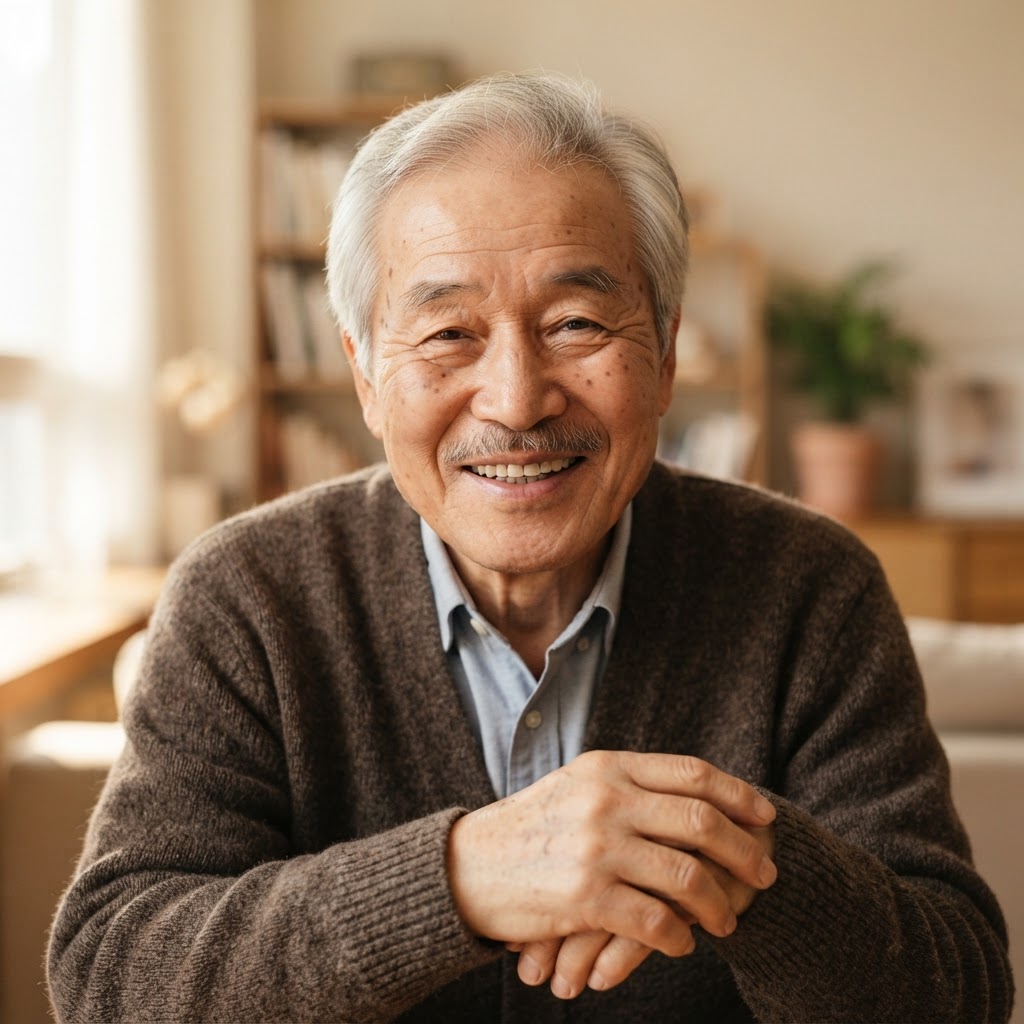
Walter Kim
Age 78 · Busan → America · Grandfather of Nine
김월터
Where we came from — so you will always know who you are.
Why I Am Writing This
My name is Walter Kim. In Korean, 김월터. I was born in Busan in 1946, and I came to the United States in 1972 with a suitcase, two hundred dollars, and a letter of admission to a university in a city I had only seen in photographs.
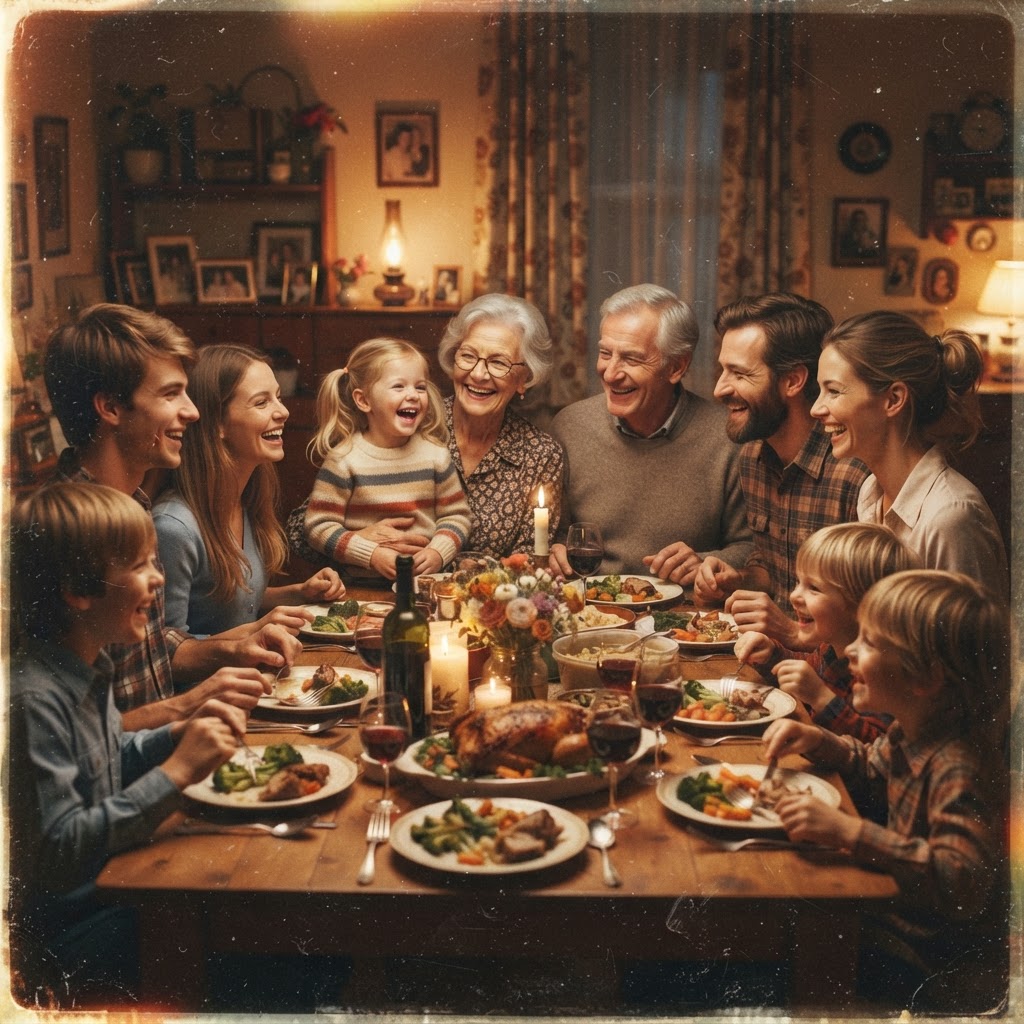
I am seventy-eight years old now. I have four children, nine grandchildren, and a garden that finally, after thirty years of effort, produces acceptable tomatoes.
I am writing this because my grandchildren are growing up American, which is what we wanted — and I sometimes worry they will grow up not knowing the Korean half of who they are. Not the language alone, though I want them to learn that. But the way of being in the world. The values. The food. The history of a family that crossed an ocean and built something.
This is that story. I am writing it in English so they can all read it. I hope someday they read some of it in Korean too.
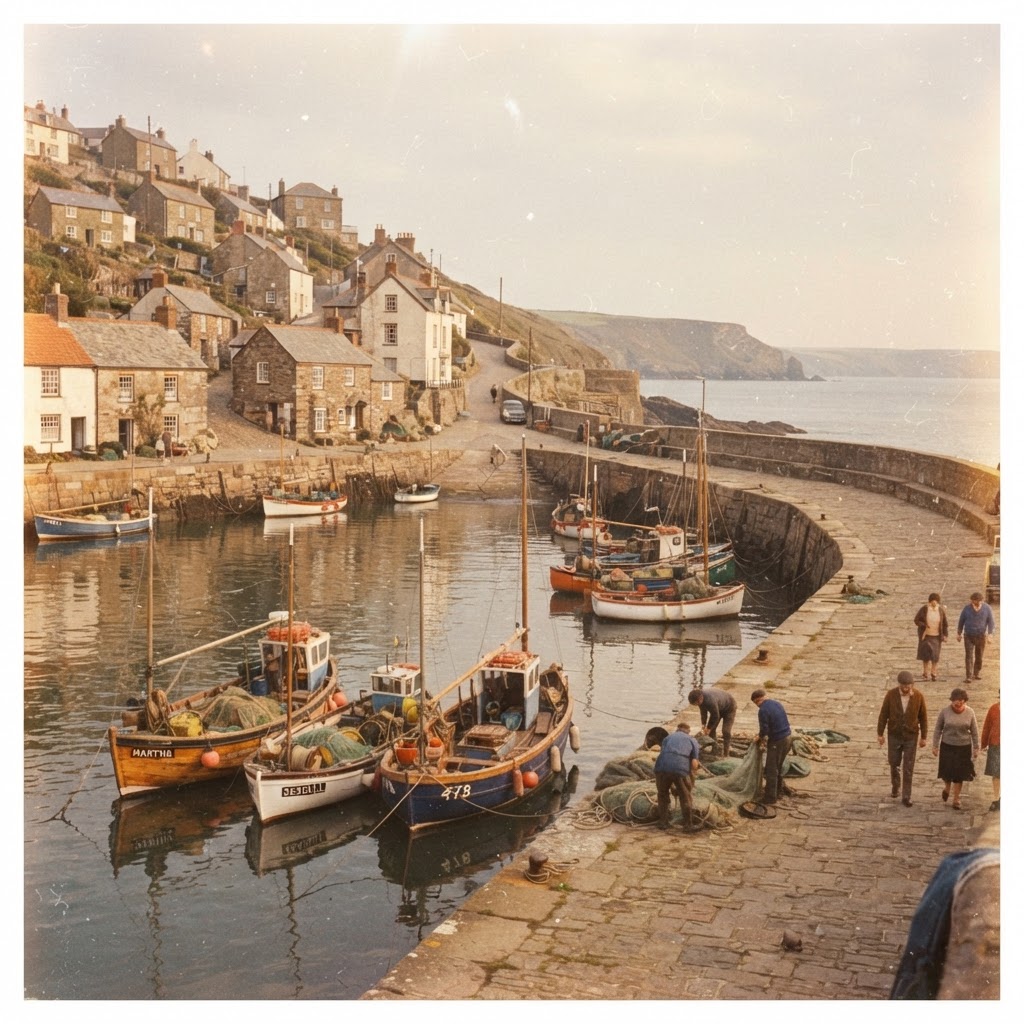
Where We Came From
Korean Words Worth Knowing
Some things translate. Some things are better felt than explained.
눈치 (nunchi)
The art of sensing what others need without being told. A form of emotional intelligence that Koreans consider essential.
정 (jeong)
A deep bond formed through time and shared experience. Not love exactly, but something close. Often stronger.
빨리빨리 (ppalli ppalli)
"Hurry, hurry" — the Korean sense of urgency and energy. I brought this to America. Your aunts and uncles have it too.
효도 (hyodo)
Filial piety — respect and care for one's parents and elders. Not obligation. Honour.
Halmeoni's Kimchi Jjigae
Your great-grandmother made this every winter. Your grandmother makes it when someone in the family is sad or sick. It is the most comforting thing I know.
You'll need
- Fermented kimchi (aged is better — old, sour kimchi)
- Pork belly or firm tofu
- Anchovy broth or water
- Gochugaru (Korean red pepper flakes)
- Doenjang (fermented soybean paste)
- Garlic, green onions
- Sesame oil to finish
How to make it
Sauté kimchi with a little sesame oil until slightly caramelised. Add pork and cook until browned. Cover with anchovy broth, add doenjang and gochugaru, and simmer for 20 minutes. Add tofu gently. Taste. Adjust. It should taste like warmth. Serve with rice — always with rice.
A Letter to My Grandchildren
My grandchildren —
I want to tell you something that took me a long time to understand: you do not have to choose between the parts of yourself. You are Korean and you are American, and both of those things are entirely real and entirely yours.
When I arrived here, I thought I had to become something new. I spent years trying to be less foreign, to smooth off the edges, to sound like I had always been here. I was partly successful. I was also partly wrong.
The parts of me that remained Korean — the way I approach difficulty, the way I value loyalty, the way I cannot sit down to eat alone if there is someone nearby who might be hungry — those are not the foreign parts. Those are the best parts.
You are the reason I crossed the ocean. Not you specifically — your grandmother and I couldn't have imagined you specifically — but the idea of you. Someone who would have everything. Who would never have to choose.
Don't choose. Be both. Be all of it.
With all the love I have, Harabeoji (할아버지)
Every family has an origin story.
Preserve where you came from — for the people who will carry it forward.